


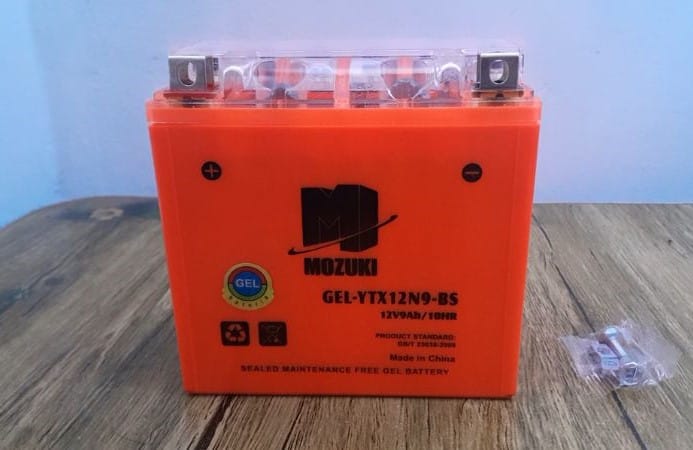
As technology continues to evolve, new alternatives are constantly emerging in the automotive and motorcycle parts market. Batteries are no exception. Traditional lead-acid batteries now compete with modern gel batteries, each offering distinct advantages and disadvantages.
While both types perform the same basic function, they differ significantly in terms of maintenance, durability, vibration resistance, and overall cost. Let’s take a closer look at how they compare.
Lead-Acid Motorcycle Batteries
Advantages
1. Lower Initial Cost
Conventional lead-acid batteries are generally more affordable than gel batteries, making them an attractive option for riders looking to minimize maintenance expenses.
2. Strong Cold-Cranking Performance
Lead-acid batteries typically provide slightly better cold-cranking power, which can be beneficial in regions with very low temperatures.
Disadvantages
1. Higher Maintenance Requirements
These batteries require periodic inspections to monitor electrolyte levels. In many cases, distilled water must be added to maintain proper performance.
2. Shorter Lifespan
Repeated charging and discharging cycles gradually wear down the internal plates and electrolyte, resulting in a shorter service life compared to more advanced battery technologies.
3. Greater Risk of Leaks
Because they contain liquid electrolyte, lead-acid batteries can leak if they are damaged, subjected to severe impacts, or tilted excessively.
Gel Motorcycle Batteries
Advantages
1. Longer Lifespan
Gel batteries generally last longer than conventional lead-acid batteries thanks to their sealed design and improved resistance to charge and discharge cycles.
2. Excellent Vibration Resistance
Their internal construction makes them particularly well suited for motorcycles, as they can withstand constant vibrations and road impacts more effectively.
3. Virtually Maintenance-Free
Since gel batteries are sealed, they do not require electrolyte level checks or periodic refilling with distilled water.
4. Improved Safety
The electrolyte is suspended in a gel-like substance, significantly reducing the risk of leaks or spills, even under rough riding conditions.
Disadvantages
1. Higher Purchase Price
Gel batteries usually cost more upfront than conventional lead-acid batteries. However, their longer lifespan can offset the higher initial investment over time.
2. Slightly Lower Cold-Cranking Performance
In extremely cold climates, some gel batteries may provide slightly less starting power than comparable lead-acid models.
3. Sensitive to Overcharging
A faulty charging system can damage a gel battery more quickly. For this reason, it is important to keep the motorcycle’s regulator and charging system in good working condition.
Comparative:
| Feature | Gel Battery | Lead-Acid Battery |
|---|---|---|
| Maintenance Requirements | Very Low | High |
| Service Life | Long | Moderate |
| Vibration Resistance | Excellent | Moderate |
| Leak Risk | Very Low | Moderate |
| Initial Cost | Higher | Lower |
| Cold Cranking Performance | Good | Very Good |
Which Battery Is Best for Your Motorcycle?
For most riders, a gel battery is often the better choice due to its longer lifespan, superior vibration resistance, and maintenance-free operation. Although the initial cost is higher, it typically provides better long-term value.
On the other hand, conventional lead-acid batteries remain a practical option for riders on a tighter budget who do not mind performing periodic maintenance.
Ultimately, the best choice depends on your budget, riding habits, and the climate conditions in which your motorcycle is used.


