

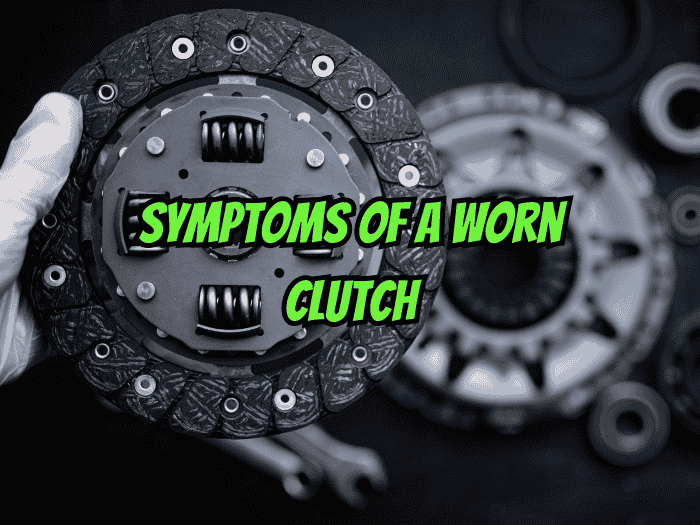
The clutch is one of the most important components in vehicles equipped with a manual transmission. Its primary function is to engage and disengage the engine from the gearbox and drivetrain. This allows gear changes to be performed smoothly, preventing harsh shifts and ensuring that the gears mesh correctly.
Every time you press the clutch pedal, the system temporarily disconnects engine power from the transmission, allowing you to change gears without damaging the gearbox. Due to the constant friction involved in its operation, the clutch is a wear item that will eventually require replacement.
How to Tell When a Clutch Needs Replacement
Several symptoms can indicate that the clutch assembly is worn and may need to be replaced.
1. Difficulty Shifting Gears
One of the most common signs of a worn clutch is difficulty engaging gears. The gearbox may feel stiffer than usual, and gear changes can become rough or less smooth.
In some cases, first gear and reverse gear may become particularly difficult to engage.
2. Loss of Power During Acceleration
When a clutch becomes worn, it may begin to slip. This means that the engine revs increase, but power is not being transferred efficiently to the wheels.
As a result, the vehicle may feel sluggish and lose acceleration performance, especially when climbing hills or overtaking other vehicles.
3. Vibrations or Unusual Noises
If you notice vibrations, knocking sounds, or metallic noises when pressing the clutch pedal, there may be a problem with components such as:
- Clutch disc
- Release bearing (throwout bearing)
- Pressure plate
- Flywheel or dual-mass flywheel
These symptoms should not be ignored, as wear can progress quickly and lead to more expensive repairs.
4. Burning Smell
A smell similar to overheated brakes can indicate excessive clutch slippage.
This occurs when too much friction is generated between the clutch disc and the flywheel, causing overheating and accelerated wear of the friction material.
5. Hard, Soft, or Spongy Clutch Pedal
Changes in clutch pedal feel can also indicate problems within the clutch system.
If the pedal feels:
- Excessively stiff
- Too soft
- Spongy
- Inconsistent throughout its travel
There may be mechanical wear or issues within the hydraulic or clutch actuation system.
How Long Does a Clutch Last?
The lifespan of a clutch can vary significantly depending on driving habits and operating conditions. In general, a clutch kit typically lasts between 60,000 and 120,000 kilometers (37,000 to 75,000 miles).
However, several factors directly influence its longevity.
Factors That Affect Clutch Life
1. Driving Style
Aggressive driving tends to wear out a clutch much faster than smooth and progressive driving.
Hard launches, rapid acceleration, and frequent high-RPM shifts place additional stress on the clutch assembly.
2. Terrain and Road Conditions
Driving regularly on steep hills or mountainous roads requires more clutch use, particularly when starting from a stop.
This is also common in cities with heavy traffic and frequent stop-and-go driving.
3. City vs Highway Driving
On highways, the clutch is used far less often because there are fewer gear changes and stops.
By contrast, urban driving with traffic congestion, stoplights, and constant gear changes significantly increases clutch wear.
4. Driving Technique
Certain driving habits can dramatically reduce clutch life.
Common mistakes include:
- Resting your foot on the clutch pedal while driving
- Applying excessive throttle during takeoff
- Slipping the clutch for extended periods
- Using the clutch to hold the vehicle on a hill
These habits create unnecessary friction and accelerate wear on the clutch disc and related components.
Should You Replace Only the Clutch Disc or the Entire Clutch Kit?
In most cases, replacing the complete clutch kit is highly recommended. A typical clutch kit includes:
- Clutch disc
- Pressure plate
- Release bearing
Replacing the entire kit helps ensure proper operation and avoids the need to remove the transmission again due to failure of older components.
Depending on the vehicle, it may also be advisable to inspect the condition of the flywheel or dual-mass flywheel and replace it if necessary.
Conclusion
The symptoms of a worn clutch are usually quite noticeable and should never be ignored, as a complete clutch failure can leave a vehicle unable to transfer power to the wheels.
Clutch lifespan depends largely on driving habits, road conditions, and the quality of the replacement components used. Choosing a clutch kit from a reputable manufacturer can help improve durability and overall performance.
Because clutch replacement is often an expensive repair due to the amount of labor involved, adopting good driving habits is one of the best ways to extend clutch life and avoid premature replacement.